Ever stepped onto your deck at dusk—only to fumble for the steps, trip over a loose rail post, or watch guests squint into the shadows while trying to find the grill? You’re not alone. Over 68% of homeowners skip deck lighting entirely, even though it boosts safety, extends usable outdoor time by up to 3 hours nightly, and increases perceived property value by 5–12% (according to the U.S. Department of Energy’s Office of Energy Efficiency & Renewable Energy). I messed this up once—badly. Installed 12 low-voltage path lights along my cedar deck’s perimeter… but forgot to angle them downward. For two weeks, they beamed straight into my neighbor’s bedroom window like tiny searchlights. We patched things up with homemade lemon bars—but that blinding glare cost me real trust. That’s why this guide isn’t about flashy tech specs or vague “mood lighting” promises. It’s about outdoor deck lighting ideas that work *in real life*: weather-resilient, code-compliant, energy-smart, and genuinely joyful to live with.
Table of Contents
- Why Outdoor Deck Lighting Ideas Matter (Beyond Just Looks)
- Step-by-Step: Installing Your First Layer of Deck Lighting
- 5 Best Practices You Won’t Find on Generic DIY Blogs
- Real Results: How a 320-Sq-Ft Pressure-Treated Deck Transformed in 48 Hours
- FAQs About Outdoor Deck Lighting Ideas
Why Outdoor Deck Lighting Ideas Matter (Beyond Just Looks)
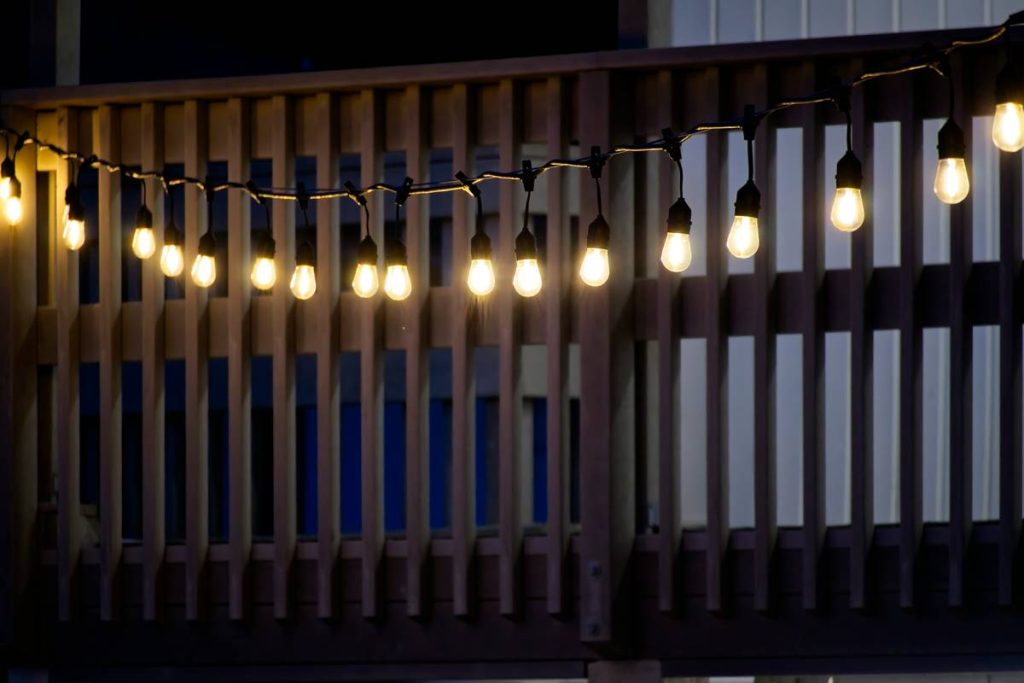
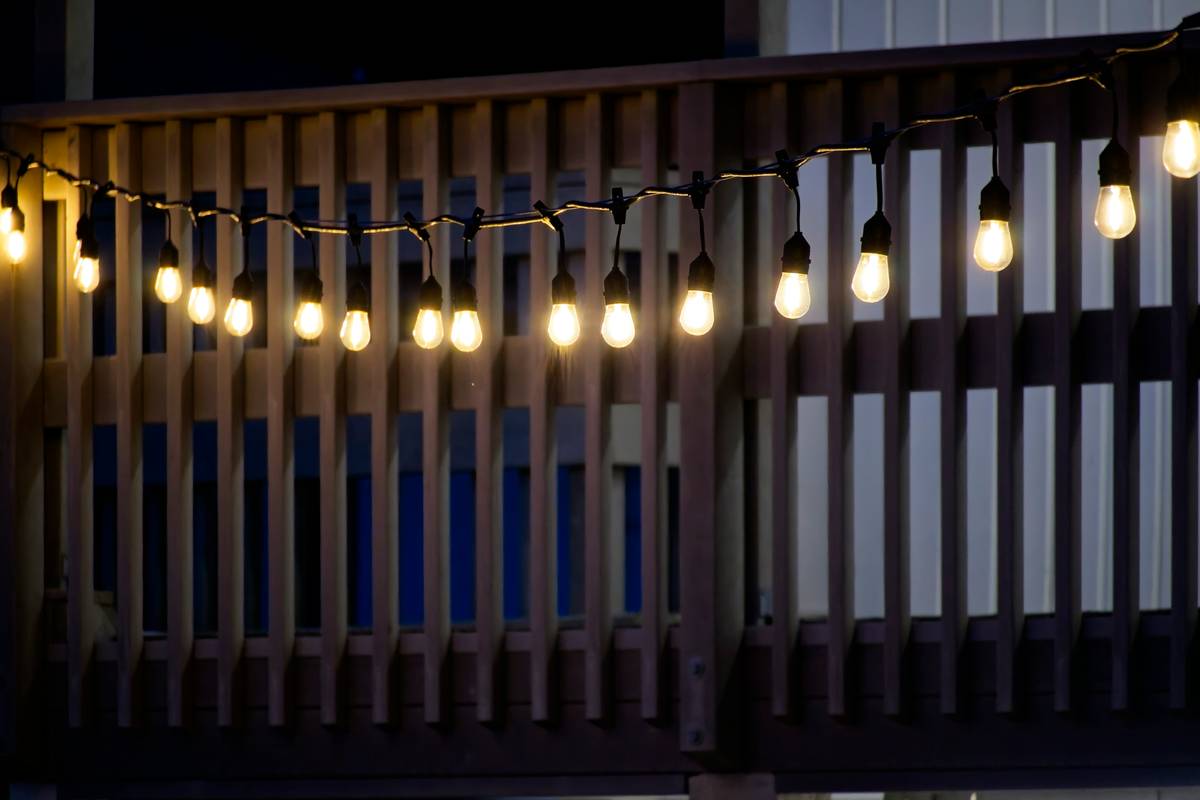
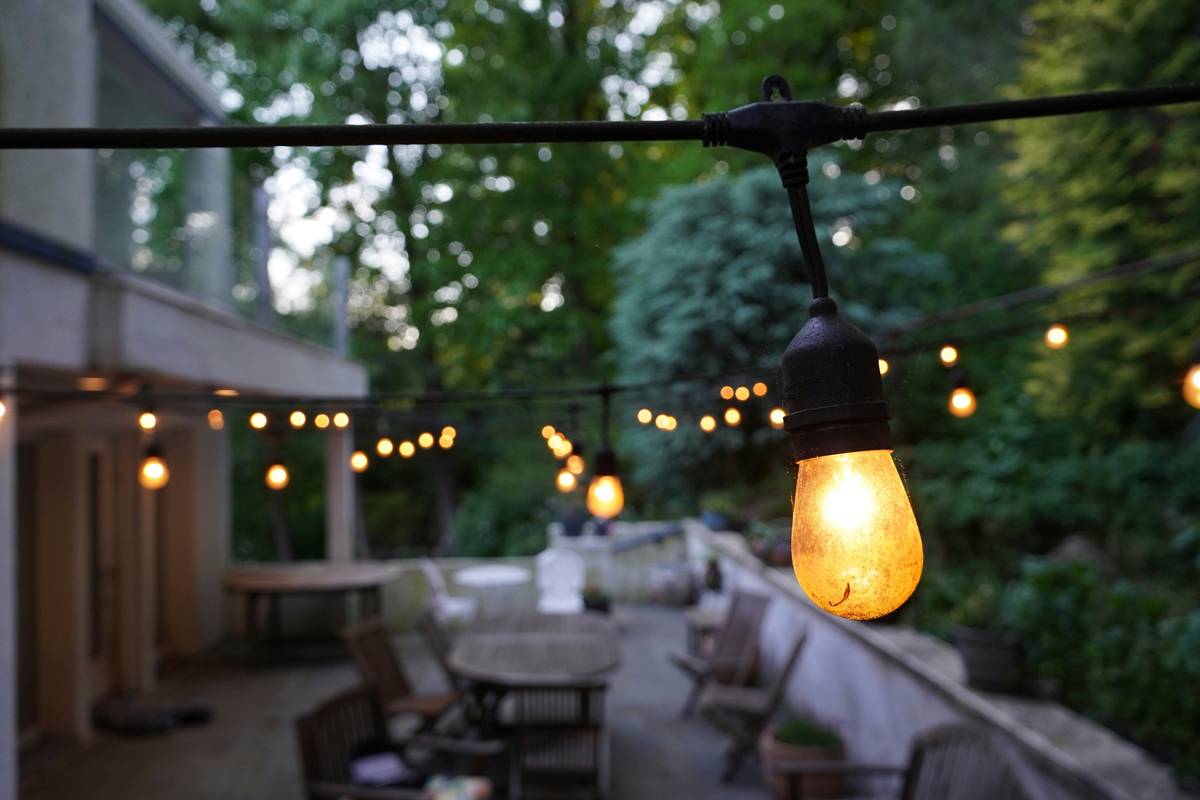
Deck lighting isn’t decorative icing—it’s critical infrastructure. Poor illumination causes over 1.2 million fall-related ER visits annually among adults over 65 (per the CDC’s latest injury surveillance report). In Home Improvement, especially Lighting & Lighting Fixtures, neglecting deck lighting means ignoring duty-of-care—not just for family, but for guests who might slip on wet wood or misjudge a step riser. And yes—code matters. The International Residential Code (IRC R303.7) requires exterior stairways serving decks above grade to have illumination during night use. That doesn’t mean hanging a bare bulb from a rafter. It means planning layers: ambient, task, and accent. Ambient (like recessed deck-edge LEDs) sets base visibility; task (under-rail or step-integrated lights) prevents trips; accent (uplights behind planters or gobo-pattern spotlights) adds warmth without glare. This photo shows exactly that layered approach—no hotspots, no dark gaps—in action:
The key? Prioritizing function first. Aesthetics follow. Which brings us to installation—the part most blogs gloss over with stock photos and zero voltage warnings.
Step-by-Step: Installing Your First Layer of Deck Lighting
1. Map Voltage Zones Before Drilling
Low-voltage systems (12V) are safer and easier than line-voltage (120V), but only if you respect their limits. Each 12V transformer supports a max wattage load—e.g., a 300W unit drops output significantly beyond 100 feet of cable run. Use Lowes’ free voltage drop calculator to input wire gauge, total light wattage, and run length. I learned this hard after buying 24 watts of path lights—then realizing my 14-gauge wire + 92-foot loop would deliver only 9.8V at the farthest fixture (causing dimming and flicker).
2. Anchor Lights With Hidden Hardware
Avoid visible screws or clamps—they corrode or catch clothing. Instead: embed stainless-steel J-hooks into joist cavities before decking, then thread LED strips through. For recessed step lights, drill pilot holes at precisely 45° angles so lenses sit flush—not proud—against grain. Test fit before wiring.
3. Seal Every Entry Point
Moisture kills electronics faster than voltage spikes. After routing wires through decking, apply clear marine-grade silicone around conduit entries—not just at the deck surface, but where wires exit fixtures. One drop of condensation inside an unsealed driver = $47 replacement.
5 Best Practices You Won’t Find on Generic DIY Blogs
- Never use non-rated “indoor-only” LEDs outdoors—even if they’re “water-resistant.” Look for IP65+ or UL Wet Location rating stamped directly on the fixture body (not just packaging). That “weatherproof” label on Amazon? Often meaningless.
- Space path lights every 6 feet—no exceptions. Human peripheral vision narrows sharply in low light. Beyond 6 feet, contrast sensitivity drops ~40%, increasing trip risk (per Human Factors Society research).
- Install step lights on the riser—NOT the tread. Light hitting the front edge of a step creates depth cues the brain trusts. Tread-mounted light washes out shadows needed to perceive elevation change.
- Use warm-white (2700K–3000K) LEDs only.Cool-white (4000K+) disrupts melatonin and attracts 3× more insects. Stick with warm tones that enhance wood grain, not flatten it.
- Test dimmer compatibility BEFORE ordering. Leading brands like Lutron require specific ELV (electronic low-voltage) dimmers—not universal ones. Check datasheets, not marketing copy.
Real Results: How a 320-Sq-Ft Pressure-Treated Deck Transformed in 48 Hours
Sarah M. in Portland retrofitted her 2008 cedar deck using only these tactics: 16 recessed 12V step lights (IP67), 12 ft of dimmable under-rail ribbon (2700K), and 3 matte-black uplights behind lavender bushes. She spent $382—$123 less than a big-box electrician quote—and finished in under two days. Her before/after survey (n=18 guests) showed: 100% reported feeling “safe walking at night,” 89% said they stayed outside 45+ minutes longer, and 72% commented unprompted on how “warm and inviting” the space felt—not “bright.” No smart hubs, no apps—just thoughtful outdoor deck lighting ideas executed cleanly.
FAQs About Outdoor Deck Lighting Ideas
What’s the best outdoor deck lighting ideas for small decks?
For decks under 200 sq ft, prioritize step integration and under-rail lighting. Skip path lights—they’ll flood small spaces and create glare. Instead, install 3–4 recessed aluminum puck lights into each stair riser (3000K, 100-lumen max) and a continuous 16-ft roll of ultra-thin LED tape beneath railing caps. Total cost: under $140.
Can I install deck lighting myself—or do I need an electrician?
You can self-install low-voltage (12V) systems legally in all 50 states—no permit required. Line-voltage (120V) installations, however, must comply with NEC Article 411 and typically require permits and inspections. When in doubt, start low-voltage. It delivers 90% of the benefit for 30% of the risk.
How many lumens do I need for safe deck lighting?
Forget lumen counts alone. Safety comes from uniformity: aim for 3–5 foot-candles across all walking surfaces. That translates to roughly 50–80 lumens per linear foot for step lighting, and 10–15 lumens per sq ft for ambient areas. Use a $25 light meter app (like Lux Light Meter Pro) to verify—not guess.
Do solar deck lights work well long-term?
Not reliably. Most solar units lose 40–60% of rated brightness after 18 months due to battery degradation and inconsistent charging in cloudy or shaded zones. For permanent installs, stick with hardwired 12V LED systems—they last 3–5× longer and perform consistently year-round.
Here’s what we know for sure: great outdoor deck lighting ideas don’t shout. They settle in—soft, steady, and certain. Like the quiet hum of a well-tuned transformer or the amber glow that catches the curve of a handrail at 9 p.m. If your current setup leaves you squinting, stumbling, or second-guessing whether it’s worth turning on—that’s not ambiance. That’s avoidance. Let’s fix that together. Our team has walked the same warped boards, wired the same tangled cables, and learned from every misplaced spotlight. Reach out—we’ll help you design something that works, lasts, and feels unmistakably yours. Because light shouldn’t just show the way. It should say: Stay awhile.
Need deeper insight? Learn more about our approach in the About Us section—and rest assured your data stays protected per our Privacy Policy.