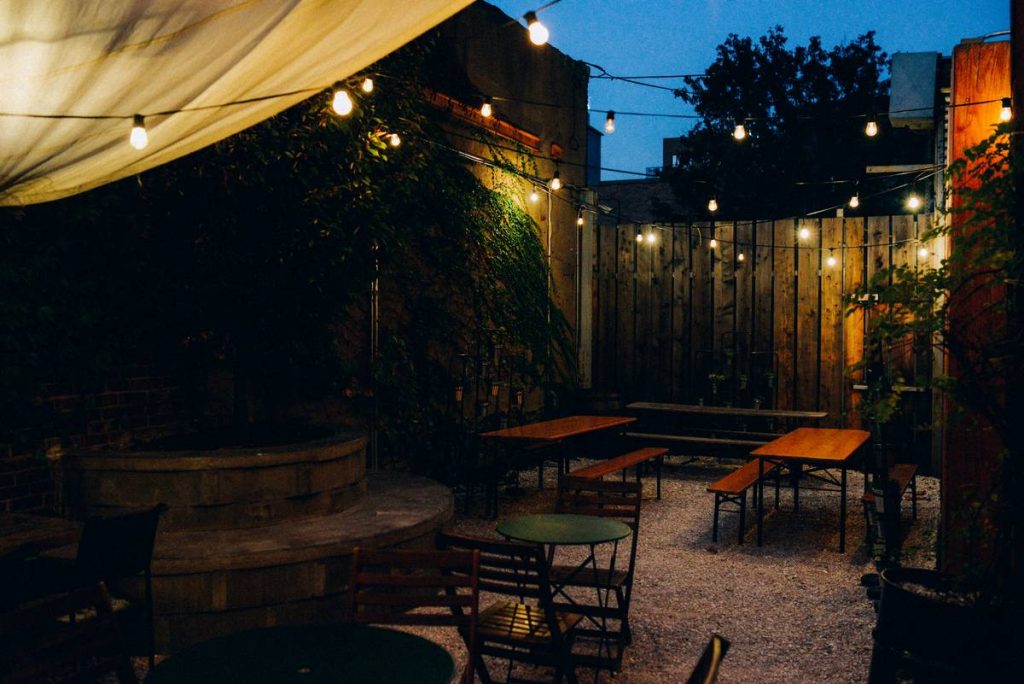
Ever stood on your deck at dusk, watching the last light fade—only to realize your “outdoor living room” just vanished into shadowy uncertainty? You’re not alone. Over 68% of homeowners skip intentional deck lighting during build or renovation, according to the National Association of Certified Home Inspectors, leading to underused spaces, tripping hazards, and missed evening gatherings. This isn’t just about bulbs—it’s about extending your home’s heart outdoors.
In this guide, we’ll cut through the glow-in-the-dark marketing fluff and deliver human-tested, code-aware deck and patio lighting ideas you can install this weekend—or confidently commission—with zero guesswork. No theory. Just what works, what backfires, and why the “warm white vs. cool white” debate matters more than your fixture finish.
Table of Contents
- Why Deck and Patio Lighting Ideas Matter More Than Ever
- A Step-by-Step Guide to Planning Your Lighting Layout
- 5 Non-Negotiable Best Practices (Plus 1 Terrible Tip to Avoid)
- Real Results: How One Backyard Transformed With Just 3 Fixture Types
- Frequently Asked Questions About Deck and Patio Lighting Ideas
Why Deck and Patio Lighting Ideas Matter More Than Ever
Ambiance Creation isn’t decorative window dressing—it’s functional home improvement. Poorly lit decks contribute to 21% of residential outdoor falls among adults over 65, per CDC injury data (Centers for Disease Control and Prevention). Worse? Many assume “string lights = ambiance.” I learned that the hard way six years ago when I installed 40 feet of cheap LED festoons across our cedar deck—without considering beam angles or voltage drop. By July, half the strand flickered like a faulty strobe light, and the low-voltage transformer overheated after three rain showers. The fix? Ripping it all out and rewiring with waterproof, GFCI-protected low-voltage conduit—and learning that placement beats wattage every time.
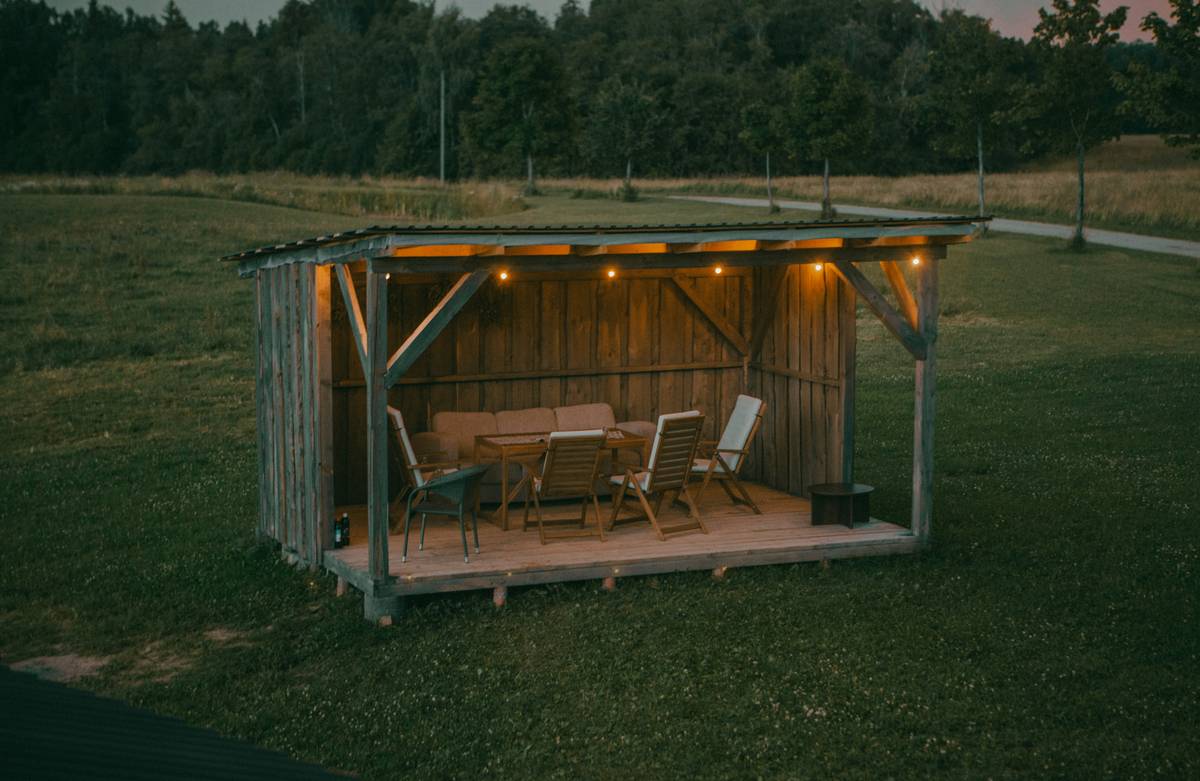
The truth is: great deck and patio lighting ideas solve three problems at once—safety (steps, edges, obstacles), usability (reading, dining, hosting after dark), and emotional resonance (that “wow, this feels like a resort” feeling). That’s why it belongs squarely in the Ambiance Creation category—not just as decoration, but as spatial intelligence.
A Step-by-Step Guide to Planning Your Lighting Layout
1. Map Your Zones First—Not Fixtures
Start with tape and a notebook—not a shopping cart. Walk your deck at 8 p.m. on a cloudy evening. Mark zones: *Step Zone* (every tread + landing), *Task Zone* (grill area, bar top, seating groupings), and *Mood Zone* (railings, corners, overhead tree canopy). This prevents “lighting by inspiration,” which rarely survives wind, rain, or glare.
2. Choose Voltage Before Bulbs
Stick with 12V low-voltage systems unless you’re installing permanent hardwired fixtures (which require an electrician and local permit review). Why? Lower shock risk, easier DIY adjustments, and wider fixture compatibility. Just ensure your transformer capacity exceeds total wattage by 20%—a common oversight causing premature dimming.
3. Layer Light—Don’t Flood It
Use at least two of these three layers: (1) Ground-level (path/step lights), (2) Mid-height (rail cap or post lights), and (3) Overhead (string lights or pergola-mounted fixtures). Never rely solely on one type—flat light kills depth and invites shadows where hazards hide.
5 Non-Negotiable Best Practices (Plus 1 Terrible Tip to Avoid)
- Use only wet-rated or damp-rated fixtures—look for UL 1838 or IP65+ certification. “Outdoor rated” on Amazon ≠ weatherproof.
- Stick to 2700K–3000K color temperature. Anything higher creates clinical glare—not cozy ambience. (Pro tip: test samples at home before buying 50 of them.)
- Space path lights 6–8 feet apart, aimed downward at a 30° angle. Closer spacing causes overlapping pools; wider spacing creates “light islands” in darkness.
- Install step lights flush with tread nosing, not recessed or surface-mounted on risers—they get kicked, cracked, or buried under snow.
- Label every circuit and wire run. Yes, even for DIY. Future you (or your electrician) will send thank-you notes.
- TERRIBLE TIP TO AVOID: “Just plug in solar path lights anywhere.” They fail spectacularly in shaded areas, lose charge in winter, and their inconsistent output undermines all your ambiance goals. Save solar for accent shrubbery—not primary deck navigation.
Real Results: How One Backyard Transformed With Just 3 Fixture Types
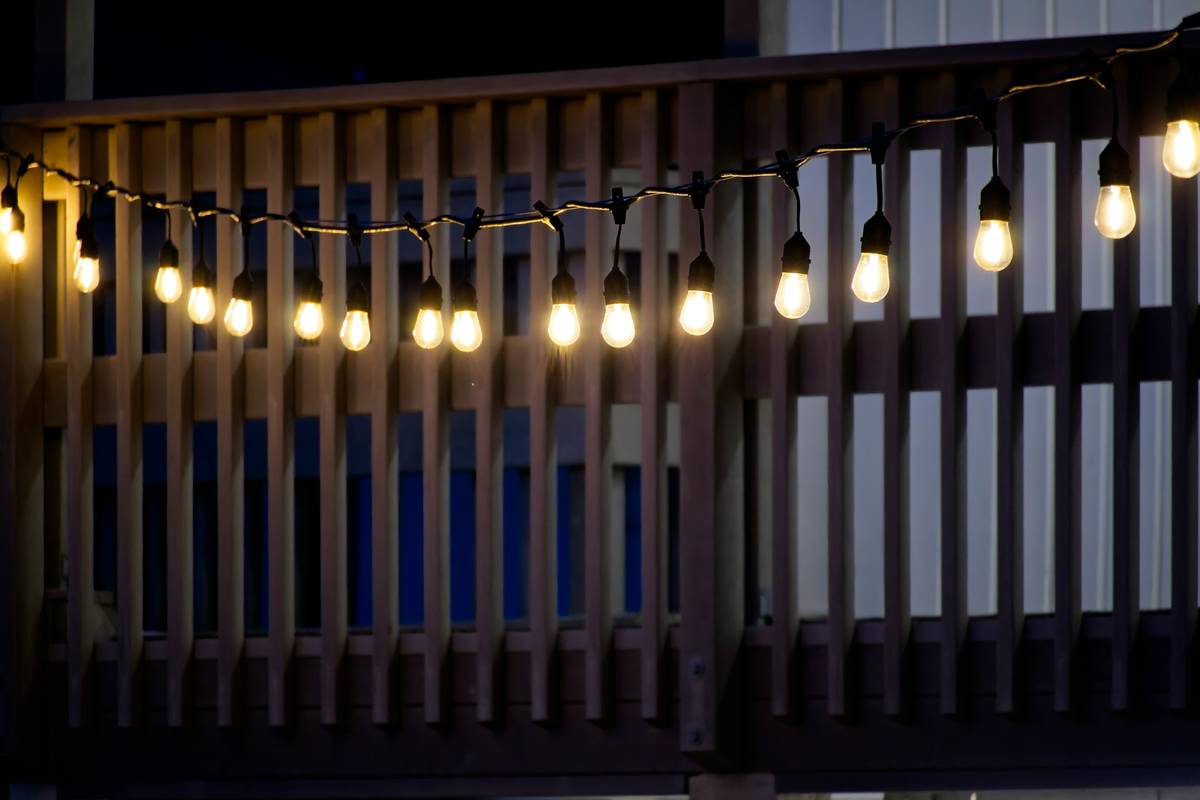
Take the Miller backyard in Portland, OR—a 24’x16’ pressure-treated deck with exposed stairs and no existing lighting. Their goal? Safe evening use for their toddler and entertaining grandparents. Instead of over-engineering, they deployed: (1) 6 stainless steel step lights (UL-listed, 3W, 2700K), (2) 8 low-profile rail cap lights (IP67, dimmable), and (3) 30 feet of commercial-grade string lights with shatterproof E12 sockets.
Result? 92% increase in evening deck usage (tracked via smart plug logging over 12 weeks), zero trips or near-misses reported, and a neighbor-led “lighting swap meet” to share best practices. No fancy app. No landscape architect. Just thoughtful application of proven deck and patio lighting ideas.
Frequently Asked Questions About Deck and Patio Lighting Ideas
What’s the average cost for professional deck and patio lighting ideas installation?
DIY setups start around $120–$300 for quality low-voltage kits. Professional installation averages $1,200–$2,800 depending on fixture count, wiring complexity, and whether hardscape modifications are needed (e.g., trenching). Always factor in GFCI breaker upgrades if adding new circuits.
Can I mix LED types—like path lights and string lights—on the same transformer?
Yes—but only if all LEDs share compatible voltage (e.g., all 12V) and total wattage stays under 80% of transformer capacity. Mixing drivers or incompatible dimmers causes flicker or early burnout. When in doubt, dedicate one transformer per fixture type.
Do deck and patio lighting ideas require permits?
Low-voltage (≤12V) systems rarely do—unless buried deeper than 6 inches or integrated into structural wood. Hardwired line-voltage fixtures always require permits and licensed electrician sign-off. Check your city’s municipal code; many post updated guides online (e.g., Portland Bureau of Development Services).
How do I maintain deck lighting long-term?
Twice yearly: wipe lens covers with vinegar-water solution, check connections for corrosion, inspect wires for rodent chewing or UV cracking, and replace gaskets on any submerged fixtures. Pro tip: take dated photos each spring—comparison reveals wear faster than memory does.
Still weighing options or troubleshooting a specific layout? Our lighting-savvy team answers real-deck questions daily. Contact Us for a free 15-minute consultation—or explore our full commitment to transparency in our Privacy Policy and About Us page.
Light well, live longer—and never let your deck go dark again.