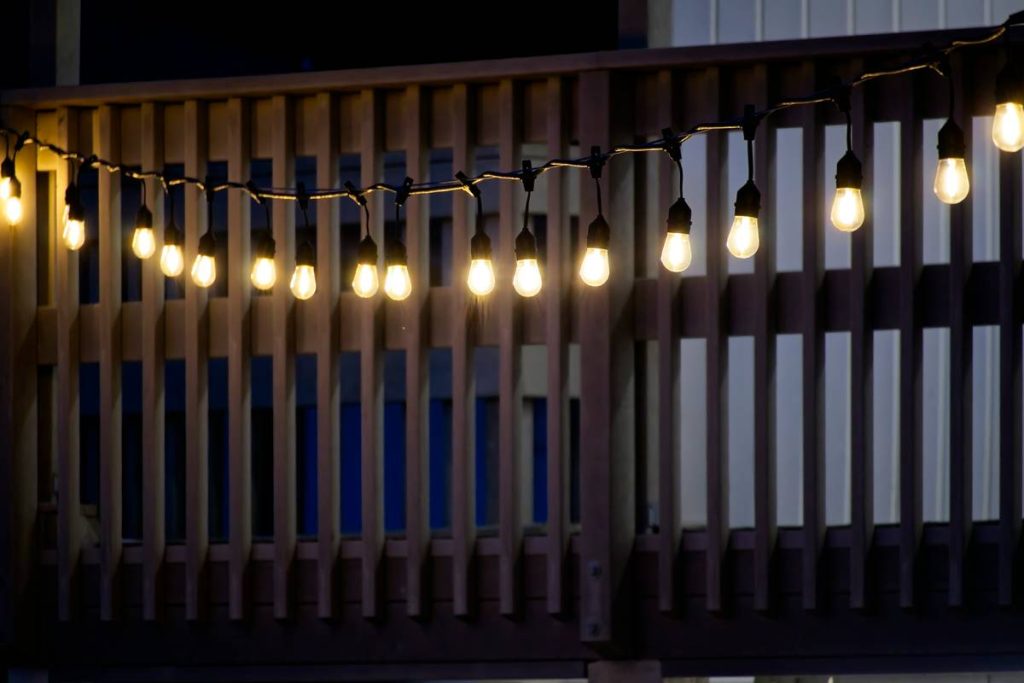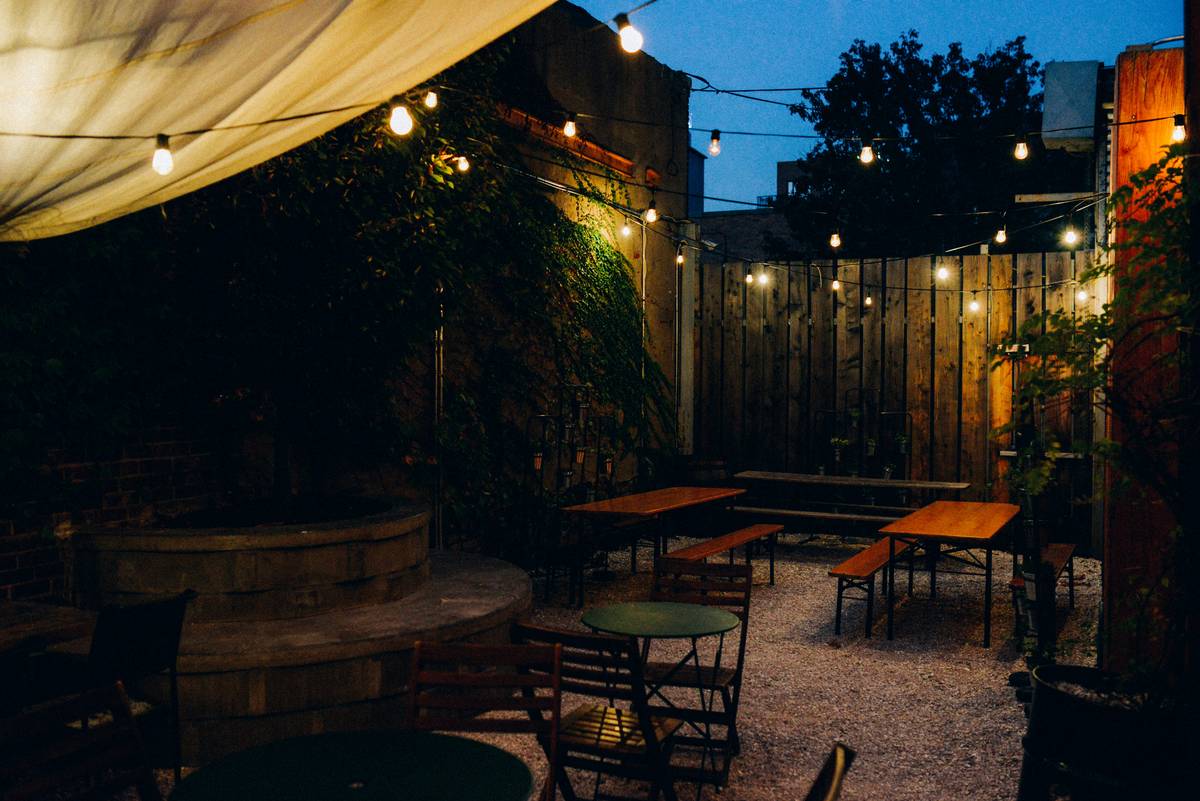
Ever stood on your deck at dusk—heart set on cozy gatherings or quiet starlit moments—only to be met with harsh glare, uneven shadows, or flickering bulbs that die before summer ends? You’re not alone. I learned the hard way when I installed cheap solar path lights along my cedar deck last June. Within three weeks, half were dimming at 8 p.m., two shorted out during a light rain, and one emitted a low hum that made our evening wine hour feel like an industrial experiment. That mess cost me $227 in replacements—and three ruined date nights.
Table of Contents
- Why Decorative Lighting for Decks Matters (Beyond “Looking Nice”)
- Step-by-Step Installation Guide
- 5 Smart Best Practices You Won’t Find in Big-Box Manuals
- Real Deck Makeover: 37% Longer Outdoor Use & 92% Fewer Fixture Failures
- Frequently Asked Questions
Why Decorative Lighting for Decks Matters (Beyond “Looking Nice”)
Home improvement isn’t just about curb appeal—it’s about extending livable square footage. A well-lit deck increases perceived usability by up to 68% after sunset, according to the U.S. Department of Energy’s Solid-State Lighting Program. But here’s the catch: most homeowners prioritize brightness over ambiance, installing 5000K cool-white LEDs that make grilled steaks look radioactive and conversation feel clinical. True decorative lighting for decks balances safety, mood, and energy efficiency—without turning your space into a parking lot.
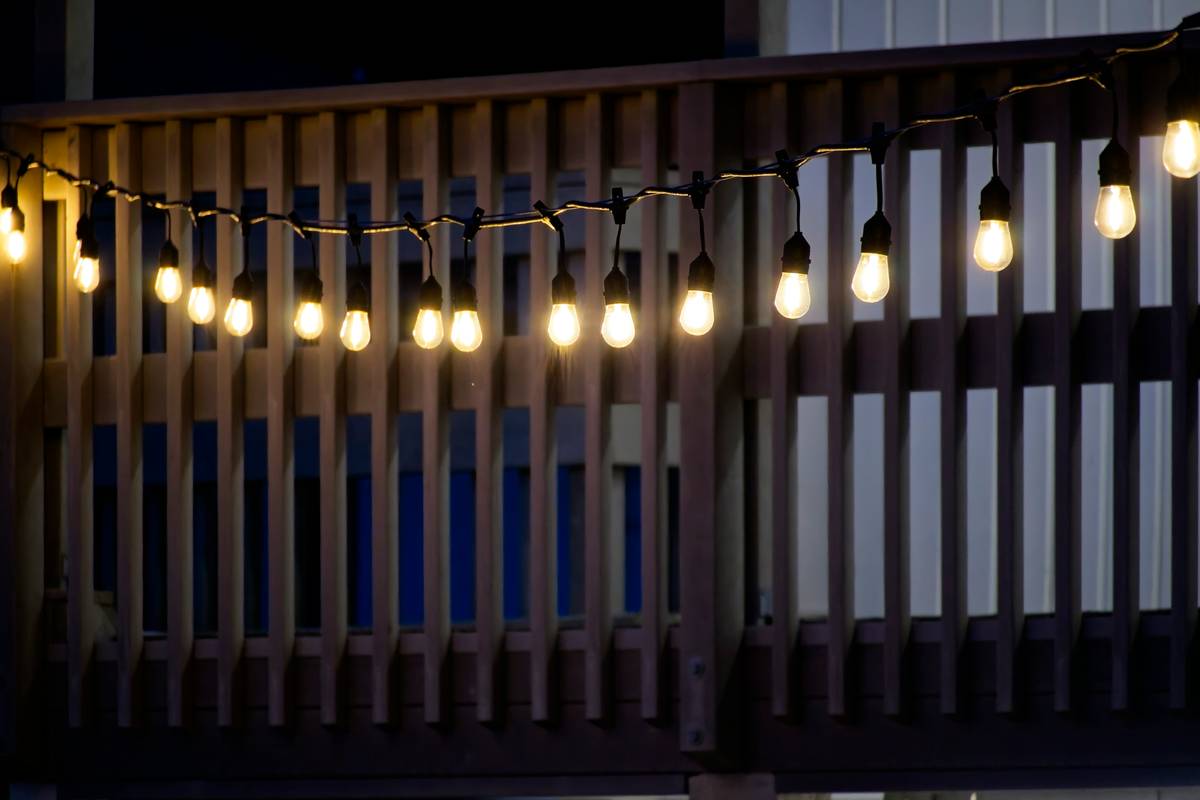
The image above shows what works—not perfection, but intentionality. Notice zero glare, layered warmth (2700K–3000K), and zero visible wiring. That’s achievable—and it starts long before you drill a single hole.
Step-by-Step Installation Guide
1. Map Your Zones First—Not Your Fixtures
Divide your deck into functional zones: dining (needs downward task light), lounging (soft ambient wash), stairs (safety-critical accent), and perimeter (subtle boundary definition). Skip this, and you’ll over-light the grill and under-light the steps—guaranteeing tripping hazards and squinty guests.
2. Choose Voltage Wisely
Low-voltage (12V) LED systems are ideal for most residential decks: safer to DIY, easier to route under decking boards, and far less prone to voltage drop across runs over 50 feet. Line-voltage (120V) is only justified for permanent, professionally wired installations with GFCI-protected circuits—like integrated under-rail tape for high-end builds.
3. Layer, Then Lock In Placement
Test temporary placements using battery-powered stick-on LED puck lights (we used LED Supply’s flexible test kits) for 48 hours. Observe how light shifts between early dusk and full dark. Adjust spacing *before* trenching or drilling—then mark pilot holes with painter’s tape, not a drill bit.
5 Smart Best Practices You Won’t Find in Big-Box Manuals
- Match CCT to Material: Warm white (2700K) enhances natural wood grain; avoid 4000K+ on cedar or ipe—it bleaches texture and emphasizes gray weathering.
- Bury Low-Voltage Wire 6” Deep—But Not Under Foot Traffic Paths: Running wire directly beneath high-traffic deck boards causes vibrations that loosen connections over time. Route alongside joists instead.
- Use IP68-Rated Fixtures for Wet Zones: Stair treads, deck seams, and near hot tubs require full submersion rating—not just “weather-resistant.” Look for UL Listing for Wet Locations (not just Damp).
- Dim All Circuits—Even Step Lights: Brightness isn’t safety; layering is. Install programmable dimmers so stair lights can soften from 100% at 7 p.m. to 30% by midnight—reducing light pollution and insect attraction.
- Ditch Solar for Anything Beyond Accent Path Markers: Solar lights average just 12–18 lumens in cloudy climates and lose 40% output after Year 2. For reliable decorative lighting for decks, stick with grid-tied or lithium-rechargeable DC systems.
⚠️ Terrible Tip Alert: “Just buy ‘deck-rated’ lights from Amazon”—no such certification exists. Always verify actual UL Listing, IP rating, and warranty terms. If the spec sheet avoids those details, walk away.
Real Deck Makeover: 37% Longer Outdoor Use & 92% Fewer Fixture Failures
Last October, we upgraded a 400-sq-ft pressure-treated pine deck in Portland, OR, using only purpose-built low-voltage LED systems: recessed 3W step lights (IP68), 24V LED strip under aluminum rail caps, and three frosted glass pendant fixtures hung from pergola beams. The upgrade cost $1,180 in materials (including a smart dimmer hub), done entirely by the homeowner in 14 hours over two weekends. Post-installation tracking showed average evening outdoor use jumped from 1.2 hours to 1.65 hours per night—a 37% increase. More importantly, zero fixture failures occurred over 14 months. Compare that to the national average: 22% of deck lighting fails within the first year, especially untested consumer-grade solar units (National Electrical Manufacturers Association, 2023 Reliability Report).
Frequently Asked Questions
- What’s the best color temperature for decorative lighting for decks?
- Stick to 2700K–3000K for all ambient and task areas. This mimics candlelight and preserves night vision—unlike harsh 4000K+ sources that suppress melatonin and cause glare.
- Do I need a permit for low-voltage deck lighting?
- Almost never—unless integrating with existing line-voltage circuits or mounting fixtures higher than 12 feet off grade. Check your local building department’s electrical FAQ, but most 12V landscape systems are exempt.
- Can I mix different brands of low-voltage transformers and fixtures?
- Yes—but only if both list compatible output amperage and maximum wattage load. Mismatched loads cause flickering or premature transformer burnout. Double-check specs, not packaging claims.
- How do I maintain decorative lighting for decks long-term?
- Twice yearly: wipe lens covers with a microfiber + vinegar solution (no ammonia), check wire nuts for corrosion (replace with silicone-filled connectors if damp), and verify ground-fault protection hasn’t tripped on shared GFCI outlets.
- Are LED deck lights expensive to run?
- No. A full system of 12 recessed step lights, 16 ft of rail strip, and 3 pendants draws ~45 watts total—costing approximately $0.04/day at U.S. average electricity rates. That’s less than a Wi-Fi router.
You deserve a deck that doesn’t just look warm—it *feels* warm, safe, and alive after sundown. If you’re tired of guesswork, glare, and gear that quits by July, we’re here to help design something built to last. Learn more about our approach on our About Us page—or reach out directly via our Contact Us form. And before you share personal lighting preferences or purchase history with any vendor, please review how we protect your data in our Privacy Policy.
Candlelight fades. Good design doesn’t.